
Deep decay does not automatically mean a root canal. When the nerve is still healthy, pulp capping at Annapolis Dental Center in Annapolis can protect it, and sometimes that is the only major treatment your tooth needs.
The Conservative Space Between Filling and Root Canal
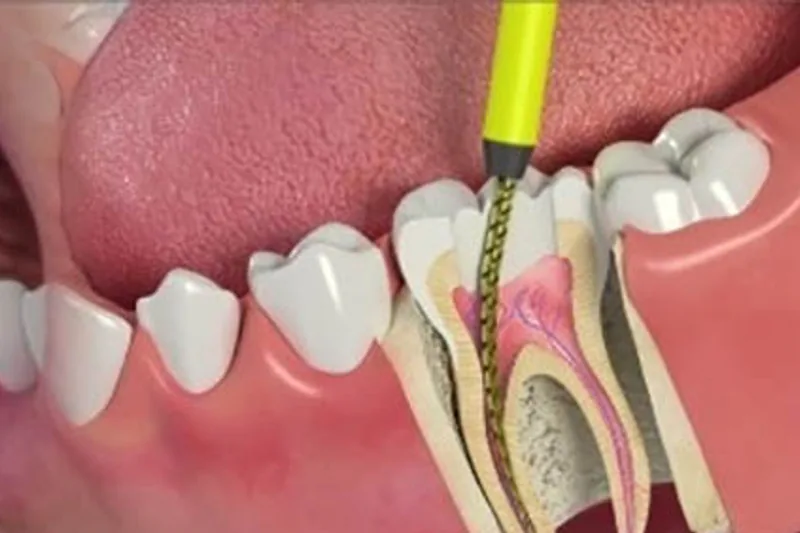
Inside every tooth sits the pulp, the living bundle of nerve and blood vessels that keeps the tooth alive. When decay removes a lot of structure and lands near that pulp but stops short of infecting it, you enter a narrow but valuable window. Pulp capping treats that moment with a protective layer that shields the pulp, soothes inflammation, and encourages your tooth to lay down its own protective dentin.
Skip the window and infection usually follows, ending in root canal therapy or loss of the tooth. Use it well and the same tooth can finish with a strong filling or porcelain crown and keep its living nerve. That is why we evaluate deep-decay cases so carefully instead of defaulting to the bigger procedure.
- Deep decay still short of the nerve itself
- A tooth worth saving before it becomes a root canal
- An honest answer on whether the window applies to you
- A sealed, restored tooth at the same visit
How We Decide Whether to Cap
The call hinges on pulp health, and we test it before we treat. Digital X-rays map how close decay sits to the nerve. Cold and percussion testing judge how the pulp responds. Symptoms, lingering pain to heat or cold, spontaneous throbbing, tell us how much inflammation has already set in.
Caps shine when the pulp is irritated but recoverable: mild cold sensitivity that fades quickly, no night pain, X-rays without infection shadowing. When the nerve has already crossed into true infection, capping would only delay the right answer. We will show you the images and test results so the choice makes sense to you too.
- Digital imaging shows exactly how deep the decay runs
- Vitality tests reveal whether the nerve can recover
- Your symptoms complete the picture
- We call it plainly: cap, watch, or root canal

A Pulp Capping Visit
A careful filling appointment, in effect
Numb and Isolate
Full local anesthesia so nothing hurts, with the tooth isolated to keep the area dry and bacteria-free.
Slow, Precise Decay Removal
We remove decay conservatively, watching the remaining dentin to keep the pulp protected.
Cap Placement
A thin bioactive liner covers any near-exposure, supporting the pulp as it heals itself.
Sealed Restoration and Follow-Up
A bonded filling or crown seals everything in, and vitality checks at future visits confirm the cap succeeded.
Why Our Patients Like the Word “Maybe Avoid” a Lot
Conservative First
When two responsible choices exist, we recommend the one that preserves more of your natural tooth.
Screensharing Guided
Your X-rays and photos are on the screen beside you when decisions are made, so you see what we see.
Followed Until Stable
A successful cap is verified at follow-up visits, not assumed and forgotten.