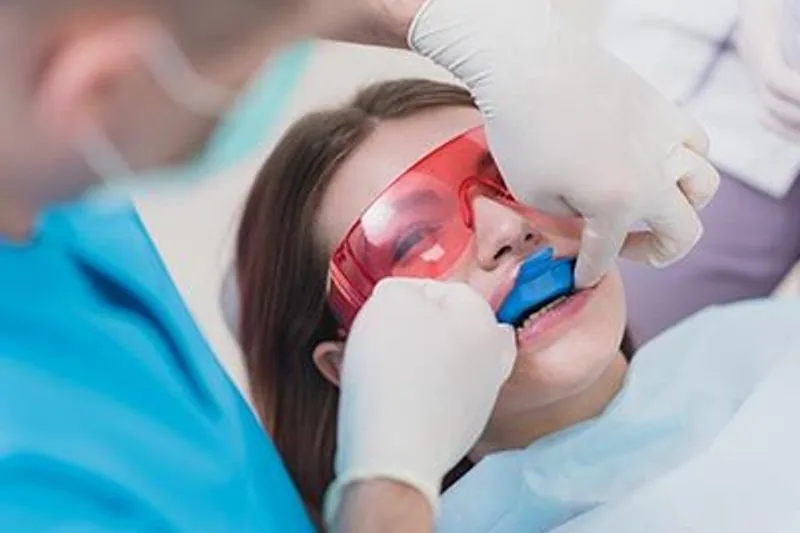
Kids’ molars have deep grooves that no toothbrush can truly clean. Pediatric dental sealants at Annapolis Dental Center in Annapolis fill those grooves with a safe, tooth-colored shield, done in minutes at the end of a normal cleaning.
Why Molars Need Back-Up in Childhood
The peak cavity years for children are roughly ages six through fourteen, and the battleground is the molar grooves, deep, narrow channels where food and bacteria gather beyond what soft bristles can sweep. Parents report the same pattern everywhere we look: clean-looking front teeth, surprises in the grooves.
Sealants intervene exactly there. A thin bonded layer fills the channel and keeps bacteria out for years, which is why pediatric sealants reliably cut molar cavities for the children who get them early.
- Blocks bacteria out of deep molar grooves
- No drilling, no numbing, no discomfort
- Applied right after adult molars arrive
- Takes minutes per tooth, done at the cleaning
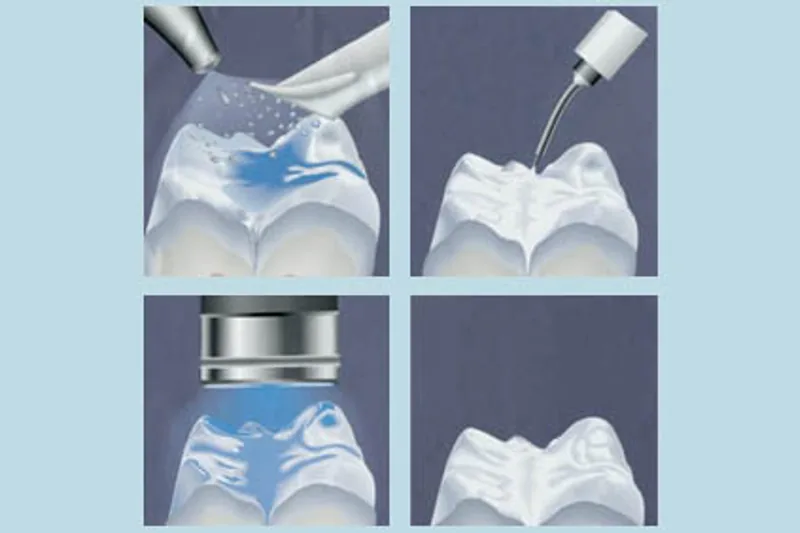
Quick, Painless, Done
Sealant placement is the easiest appointment in dentistry
Clean the Tooth
A quick polish prepares the chewing surface.
Condition and Rinse
A gentle solution prepares the enamel so the sealant bonds micro-mechanically.
Paint and Cure
The liquid sealant flows into every groove and hardens in seconds under a curing light.
Grow Up Protected
At every cleaning we re-check the margins and touch up wear. That maintenance keeps protection continuous.
The Prevention Bundle That Pays
Sealants partner perfectly with fluoride treatments, with fluoride strengthening the enamel surfaces and sealants covering the grooves. Together they are the closest thing childhood dentistry has to insurance you feel daily.
Mind the economics too: both sealant and fluoride visits usually cost less than a single small filling, and patients who skip prevention for a year often prove that arithmetic the expensive way. Prevention beats repair at every stage of life.
- Fluoride strengthens, sealants shield
- Together: dramatically fewer childhood cavities
- Far cheaper than fillings later
- Highest-impact during ages six through fourteen