
If a tooth that had root canal treatment years ago is hurting again, the conversation should not be “pull it” by default. At Annapolis Dental Center in Annapolis, we re-evaluate first with 3D imaging and honest counsel, then retreat when retreatment makes sense.
When a Previous Root Canal Needs Help
Root canal retreatment means reopening a previously treated tooth, disinfecting the canal system more completely than before, and resealing it against new infection. It exists because first-time root canals do their best work against anatomy that sometimes outmaneuvered them:
Extra microscopic canals the first procedure could not reach, roots curved enough to hide bacteria, or a crown that sealed less tightly than intended and let bacteria back in over years. The result is the same: a tooth that flares back up months or decades later. Retreatment addresses the root issue directly, and it often succeeds for the long term.
- Pain or pressure on an already-treated tooth
- New sensitivity to heat, cold, or bite
- Swelling or a gum bump near the treated tooth
- A darkening line at the gumline of the crown
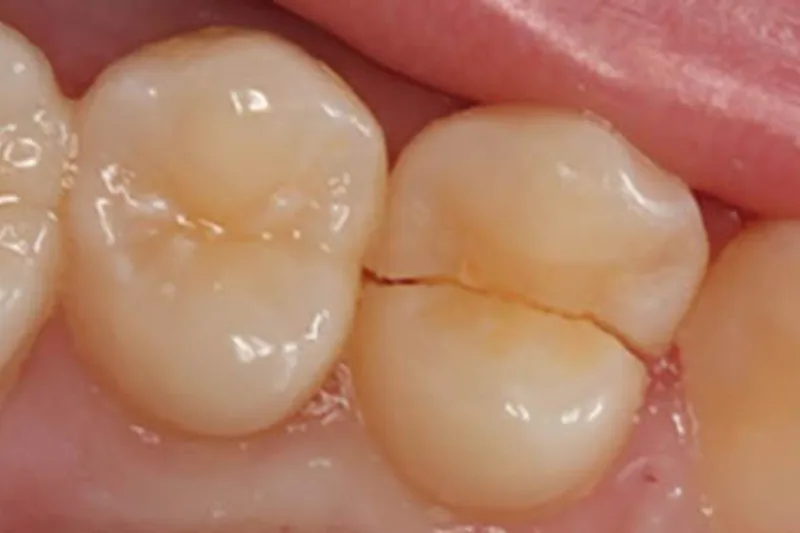
How We Decide if Retreatment Is Right
Every retreatment decision at our office starts with a 3D CBCT scan. The 3D view shows how much filling material remains, whether previous canals were missed, existing fracture lines, and how much bone supports the tooth today. From that data we can say honestly whether retreating the tooth gives you a reliable second act or whether replacement is the smarter path.
When we do retreat, we work with deliberate slowness and enhanced irrigation, aiming to eliminate what the first treatment could not reach. Many of these teeth go on to serve for decades. When replacement truly is the right move, we will tell you that just as plainly, and outline implant restoration options.
- 3D CBCT review before any retreatment decision
- Honest retreat vs. replace discussion
- Enhanced cleaning for previously missed anatomy
- Post-retreatment crown protection
What Retreatment Looks Like
A deliberate, careful re-do, not an emergency shortcut
3D Evaluation
Cone-beam CT shows exactly what happened before and what we are dealing with now.
Reopening and Cleaning
We remove the old filling material, disinfect the full canal system, and expand the disinfection where needed.
Resealing the Tooth
The freshly cleaned canals are sealed against reinfection, and the tooth returns to normal sensation.
Final Restoration
A new crown typically completes the second act, protecting the retreated tooth for years ahead.
Why Trust Us With a Second Chance
Second-Opinion Friendly
Many retreatment visits start as “another office said pull it.” We would rather tell you the whole truth about every path.
Decisions from Data, Not Hope
Every retreatment case is reviewed against cone-beam 3D imaging before we pick up an instrument.
Finished Under One Roof
Retreatment and the final crown both happen here, with one team and one bill explained up front.